
By taking a ‘whole-of-society’ approach, and mobilising key sectors and communities to work together, we can strengthen Aotearoa New Zealand’s capacity to plan for, respond to, and equitably and effectively recover from multiple hazard risks.
Theme
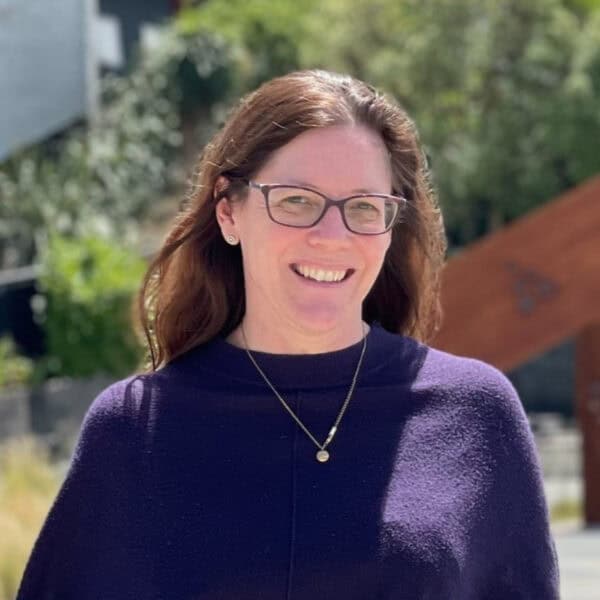
Leader:
Julia Becker, Massey University
Living with Risk
The Living with Risk theme places people at the centre of risk reduction and resilience.

What are we doing?
Using place and problem-based projects, and integrating closely with the Platform’s other science themes, the Living with Risk team will develop robust new decision pathways, governance frameworks, and recovery trajectories, alongside innovative tools, processes, and practices.
Focus areas
Projects are designed to address the following areas:
- Drivers of action and archetypes of inaction (how people experience and respond to risk)
- Distributional resilience (systematic and diverse influences on resilience and vulnerability)
- Adaptation futures (considering future hazard and risk scenarios)
- Recovery pathways, including lessons from previous events (joint focus area with the Better Resilience Decisions theme).
Projects
(more info coming soon)
A triple resilience dividends analysis of social infrastructure
Breaking the loop: Systems audit of natural hazard decision-making, knowledge translation and action
Resilient futures: Capacity-based scenarios for hazards and climate adaptation
Grounded resilience: Integrating Pacific diaspora capacity into Aotearoa New Zealand’s natural hazards system
Exploring AI-assisted personalised multi-hazard impact-based warning communication
Understanding factors that influence risk tolerance
He Ara Whakahaere – Māori risk perceptions and adaptation futures
Testing behaviour change science to inform public education
How are we doing it?
We are working closely with the Platform’s other science themes on place- and problem-based projects. We’re leverage our deep partnerships with central government agencies, councils, hapū and iwi, emergency managers and industry groups, built over nearly two decades of collaboration, to strengthen the use and application of our research.
Through these collaborations, the team will develop robust new decision pathways, governance frameworks, and recovery trajectories, alongside innovative tools, processes, and practices.